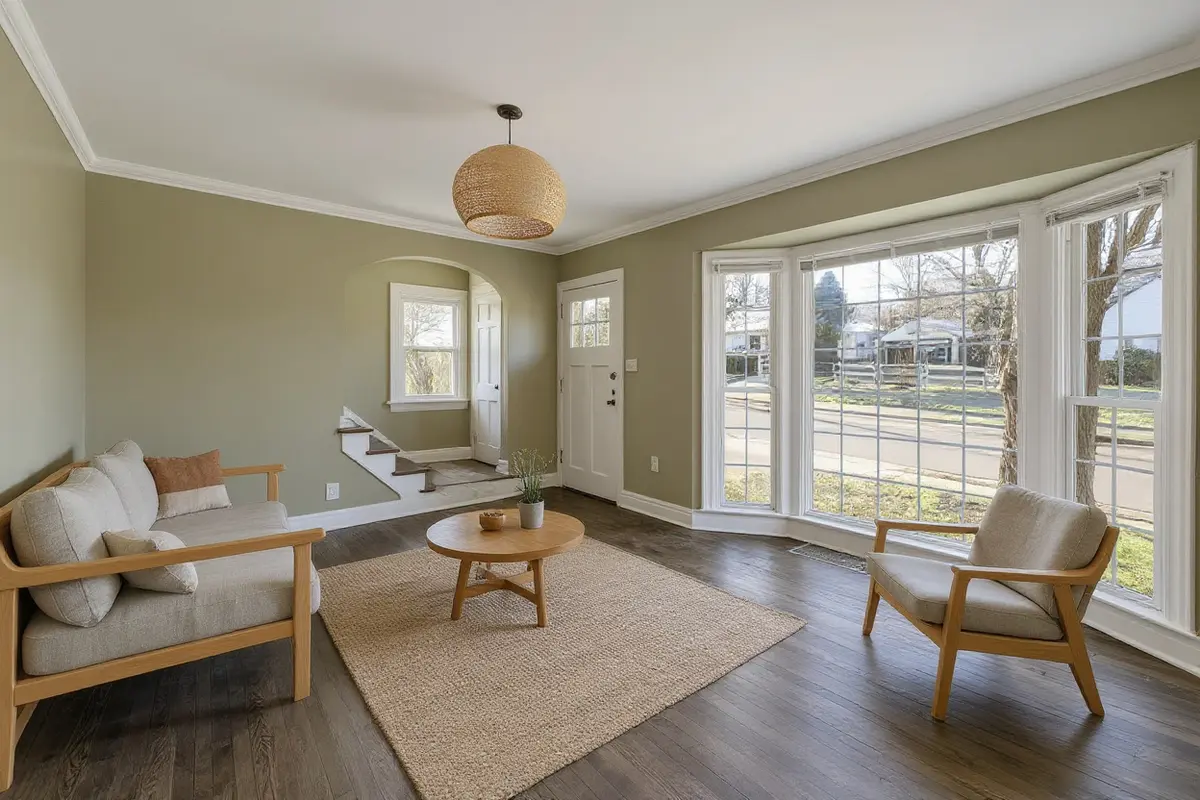
Japandi is a blend of Japanese and Scandinavian design. It takes the calm, natural restraint of Japanese interiors and the warmth and comfort of Scandinavian homes, and ends up somewhere quieter than either.
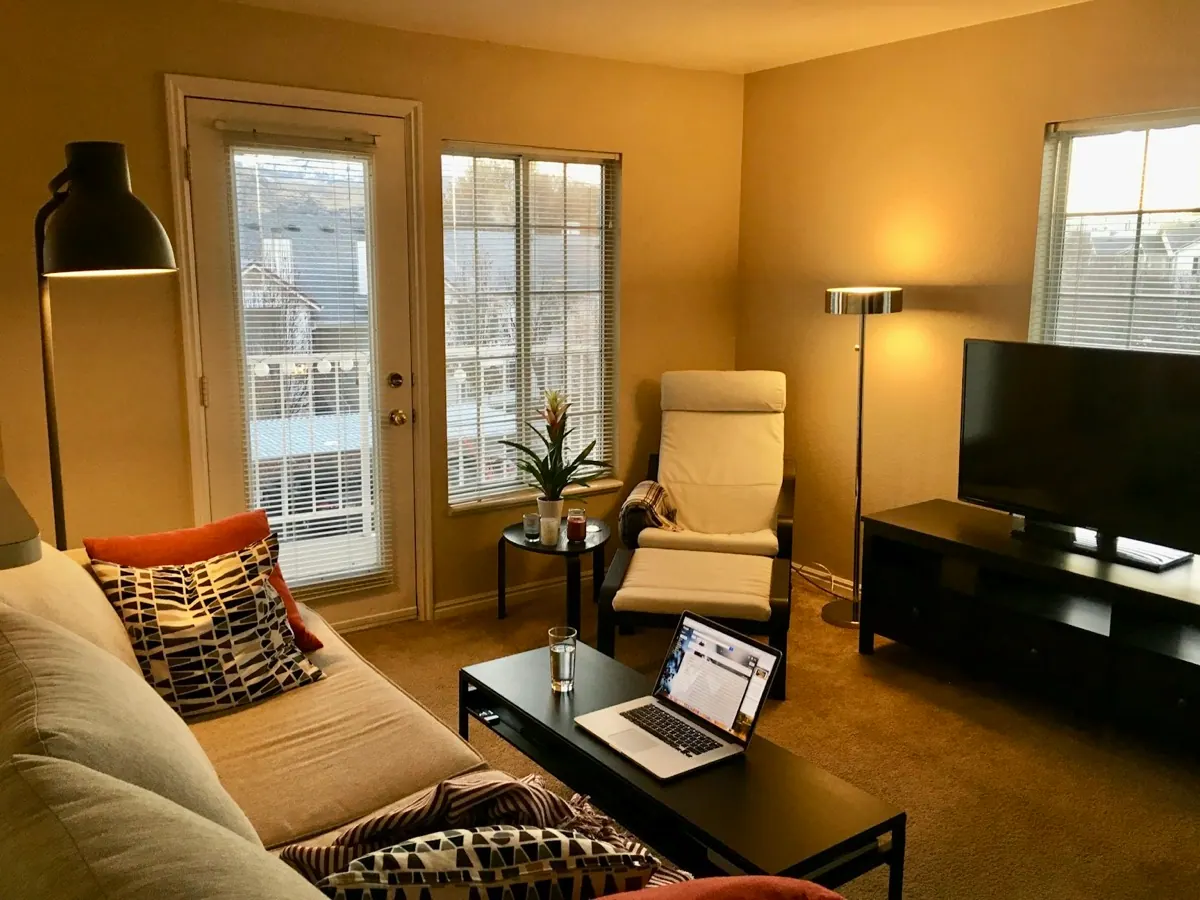
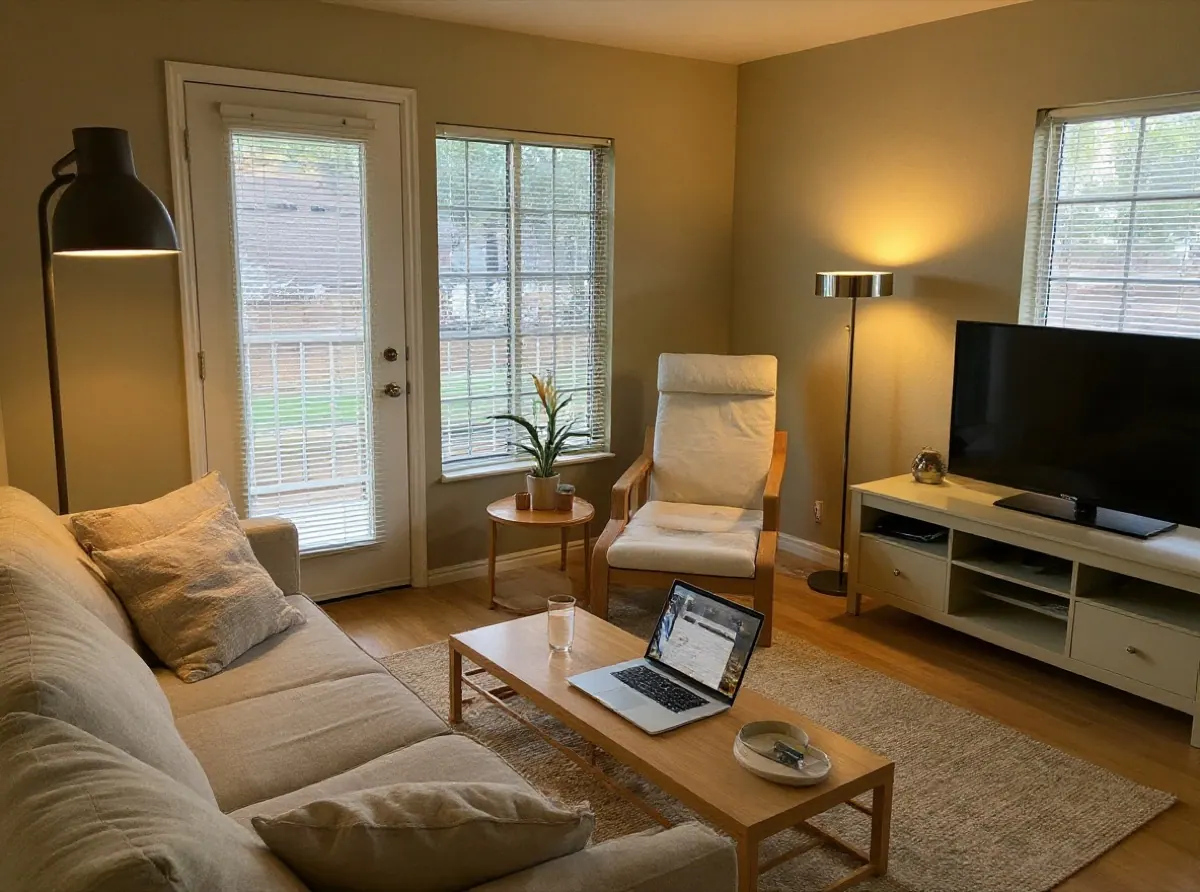 BEFOREJAPANDI
The key elements of Japandi
- Low furniture. Sofas, beds and tables sit closer to the floor, which makes ceilings feel higher.
- Light natural wood. Oak, ash and bamboo, usually with a matte finish rather than a glossy one.
- A muted, earthy palette. Warm white, sand, clay, olive and soft charcoal. Few strong colours.
- Natural textures. Linen upholstery, wool rugs, paper lamps, stoneware and ceramics.
- Space between things. Fewer objects, each with room around it. Storage hides everything else.
Japandi in a bedroom
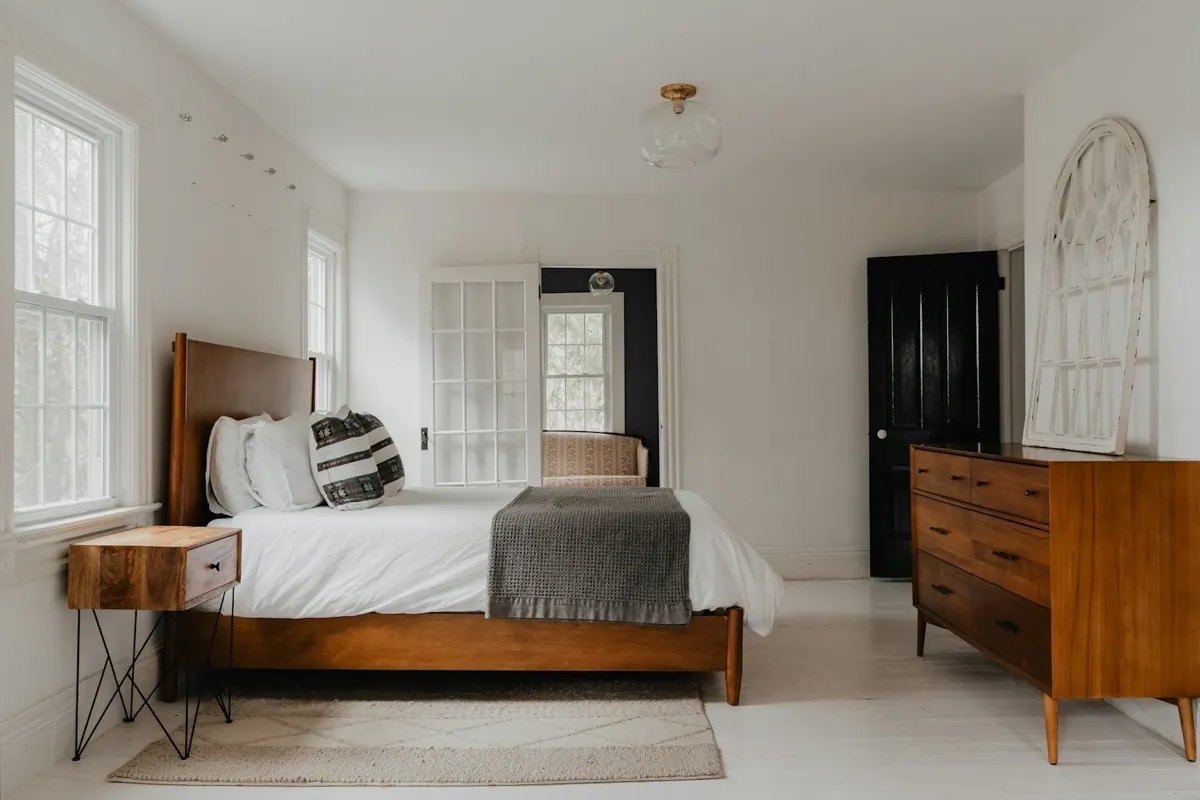
Bedrooms are where Japandi works best, because the style is built around rest. A low wooden bed, linen bedding in a warm neutral, one paper pendant and bare surfaces are usually enough.
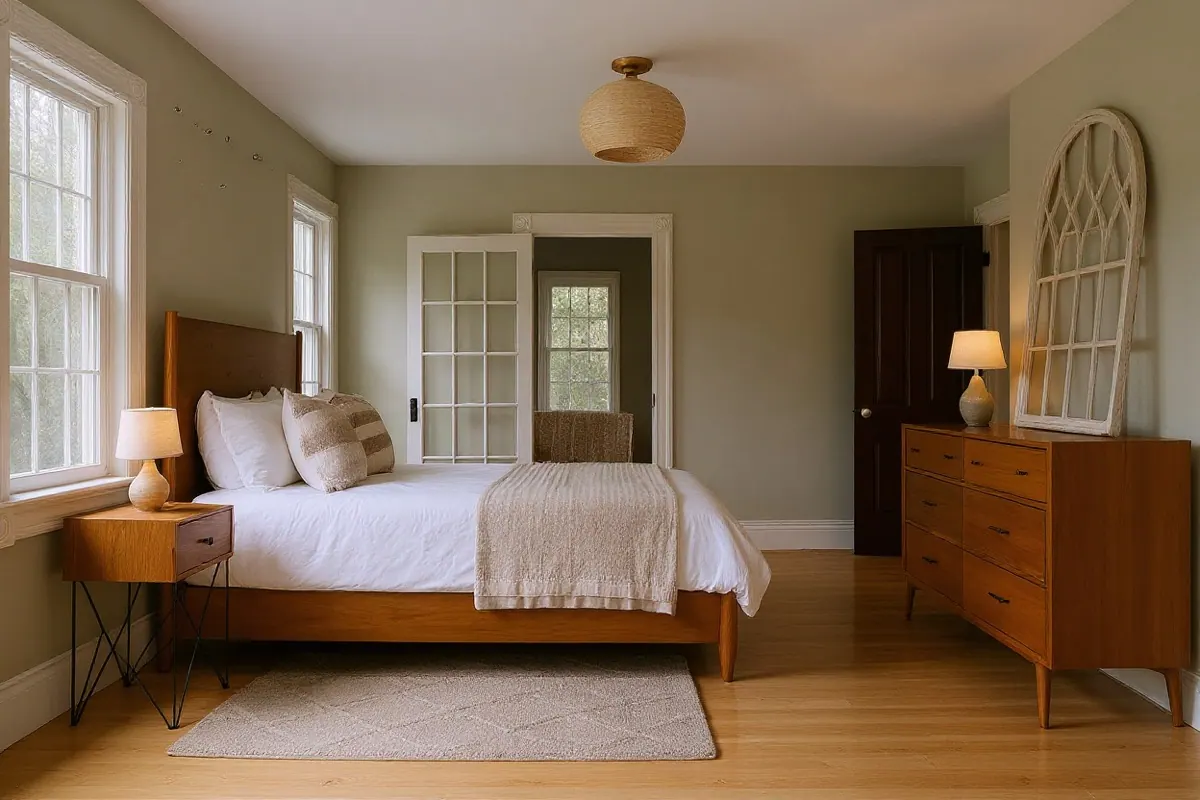 BEFOREJAPANDI
Japandi in an empty room
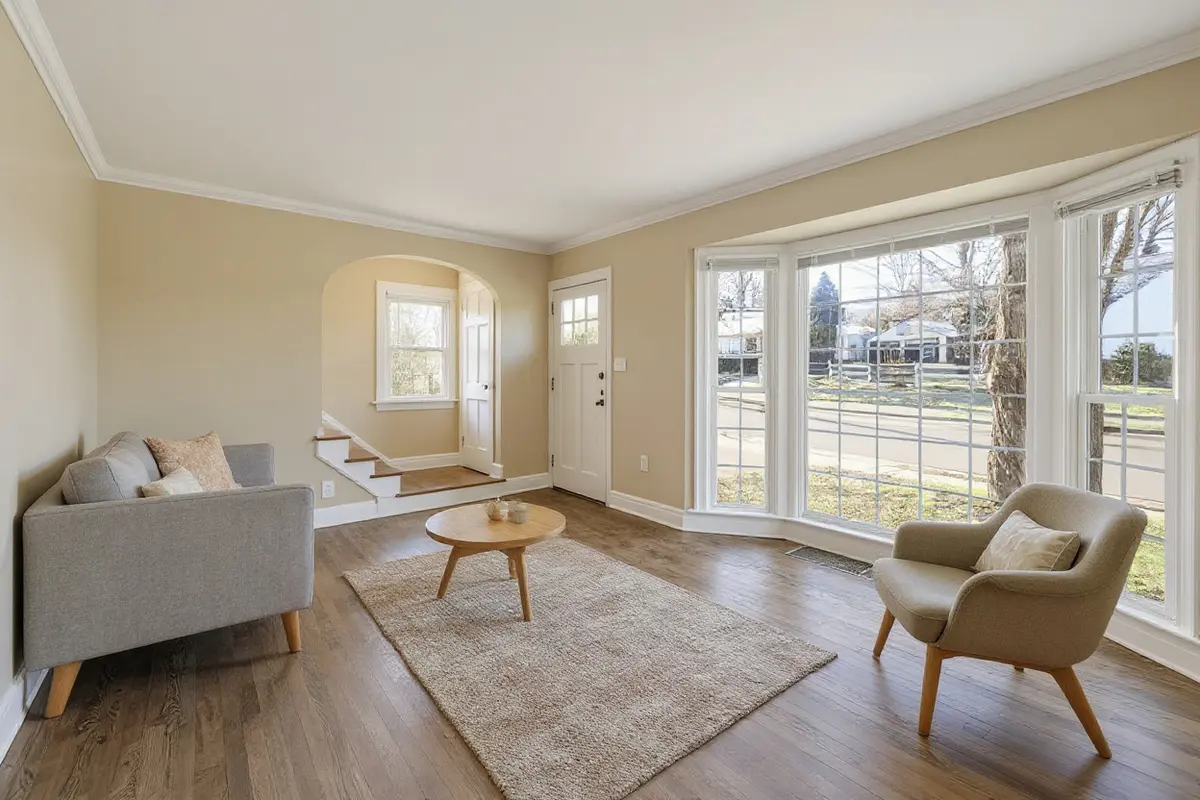
If you are furnishing a room from scratch, Japandi is forgiving: a few good pieces look intentional rather than sparse.
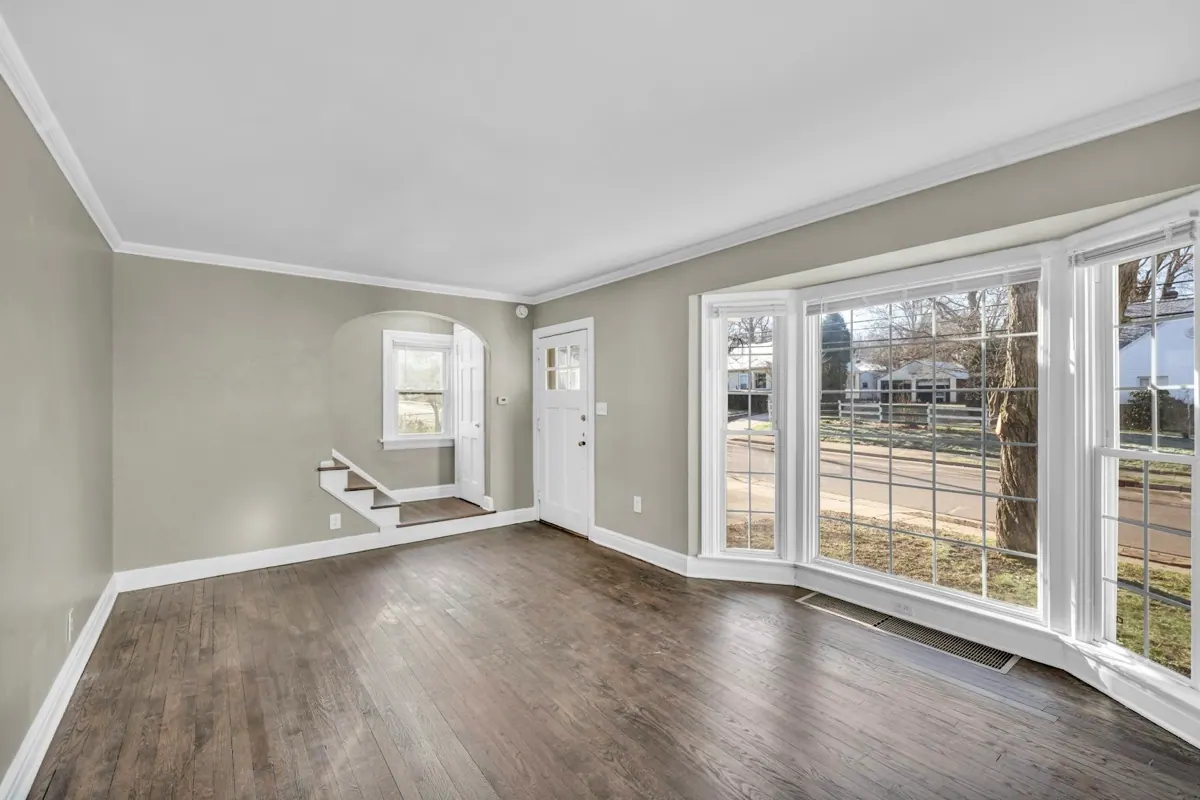 BEFOREJAPANDI
Mistakes to avoid
- Going cold. Japandi is not all-white minimalism. Without wood, texture and warm tones it feels clinical.
- Too many accessories. One vase on a shelf is Japandi. Seven is clutter.
- Mixing wood tones at random. Pick one or two wood colours and repeat them.
- Forgetting lighting. Paper and linen shades give the soft, diffused light the style depends on. Bare bulbs and spotlights work against it.
- Adding architecture you do not have. Timber ceilings and sliding screens look great in photos, but you rarely need them. The furniture, colours and materials do most of the work.
A note on Japandi and AI
When we first tested Japandi with AI, it kept adding wooden ceiling beams and timber panelling, because so many Japandi photos online have them. That is a problem if you want to see your room, not a new house. We rewrote the style so the furnishings carry it and the ceiling stays as it is. The examples above are the result.
Frequently asked questions
What colours are Japandi? Warm whites, sand, beige, clay, olive and muted charcoal, with natural wood tones.
Is Japandi the same as minimalism? No. It is minimal, but warmer: it uses natural wood, texture and soft light where minimalism often uses white and gloss.
Does Japandi work in a small room? Yes. Low furniture and fewer objects make small rooms feel larger.
What is the difference between Japandi and Scandinavian? Scandinavian is lighter and cosier, with more textiles and white. Japandi is lower, darker in places and more restrained.
Read more
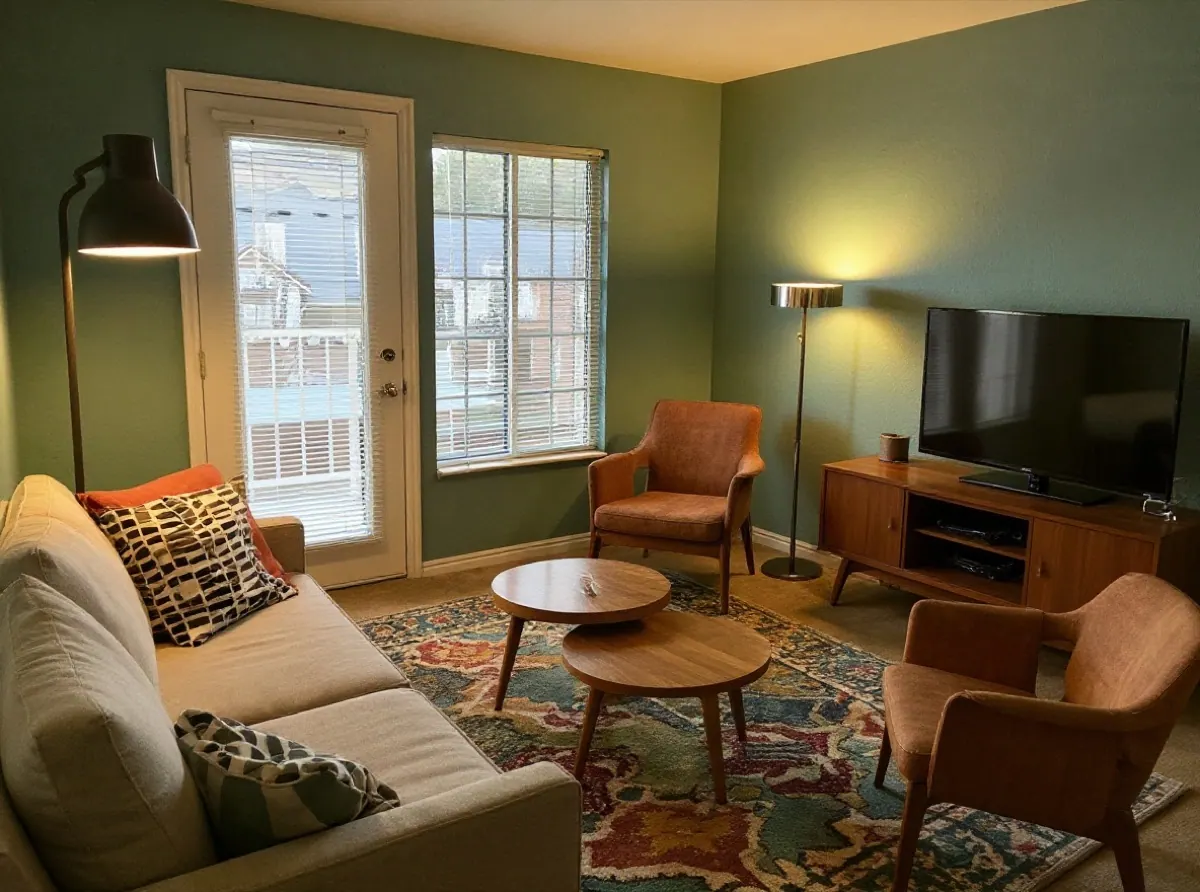
6 Interior Design Styles Compared on the Same Room
Modern, minimalist, Scandinavian, Japandi, mid-century and coastal, shown on the same real living room so you can compare the styles like for like.
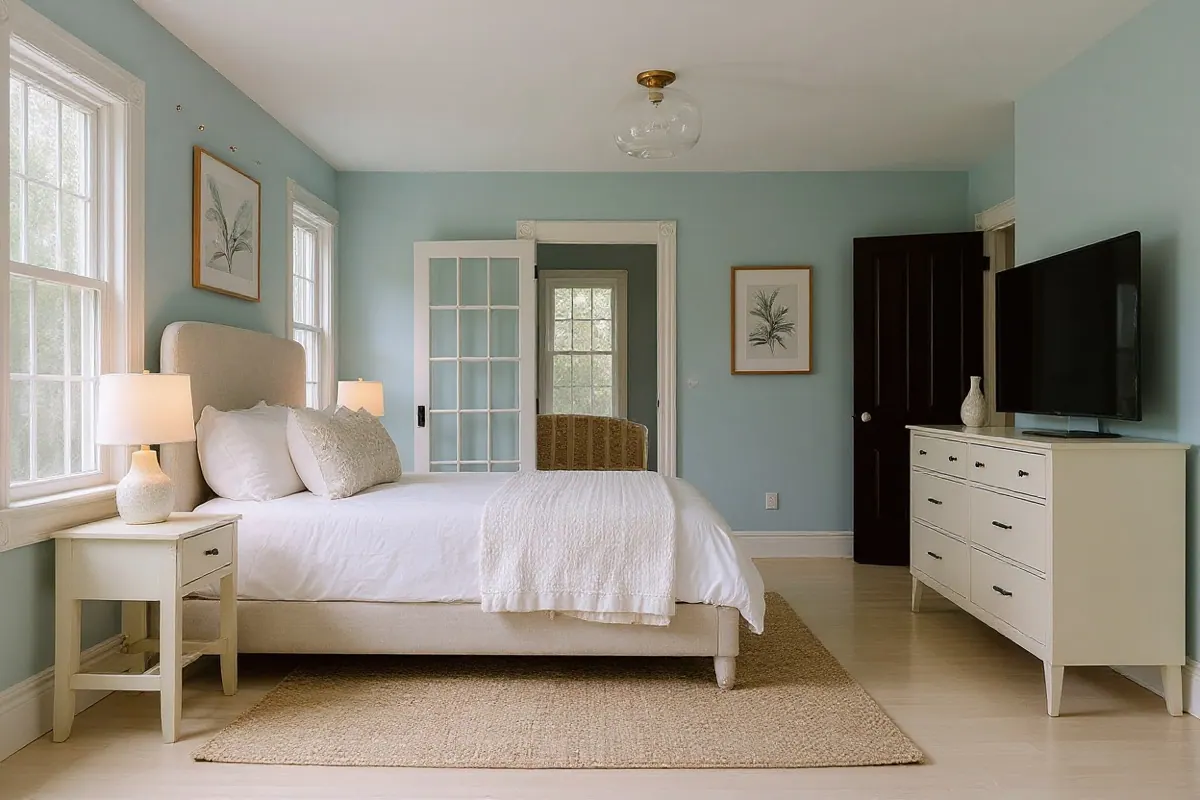
AI Room Design Tools Compared: What to Check Before You Pay
Interior AI, Decoratly, REimagineHome, Planner 5D, RoomGPT and AI Room Design compared on what matters: free trial, real price, subscription or not, and how well they keep your room.
AI Virtual Staging: How to Furnish an Empty Room From a Photo
A practical guide to AI virtual staging for empty rooms: what to photograph, which style to choose for buyers or renters, and how to label staged photos honestly.