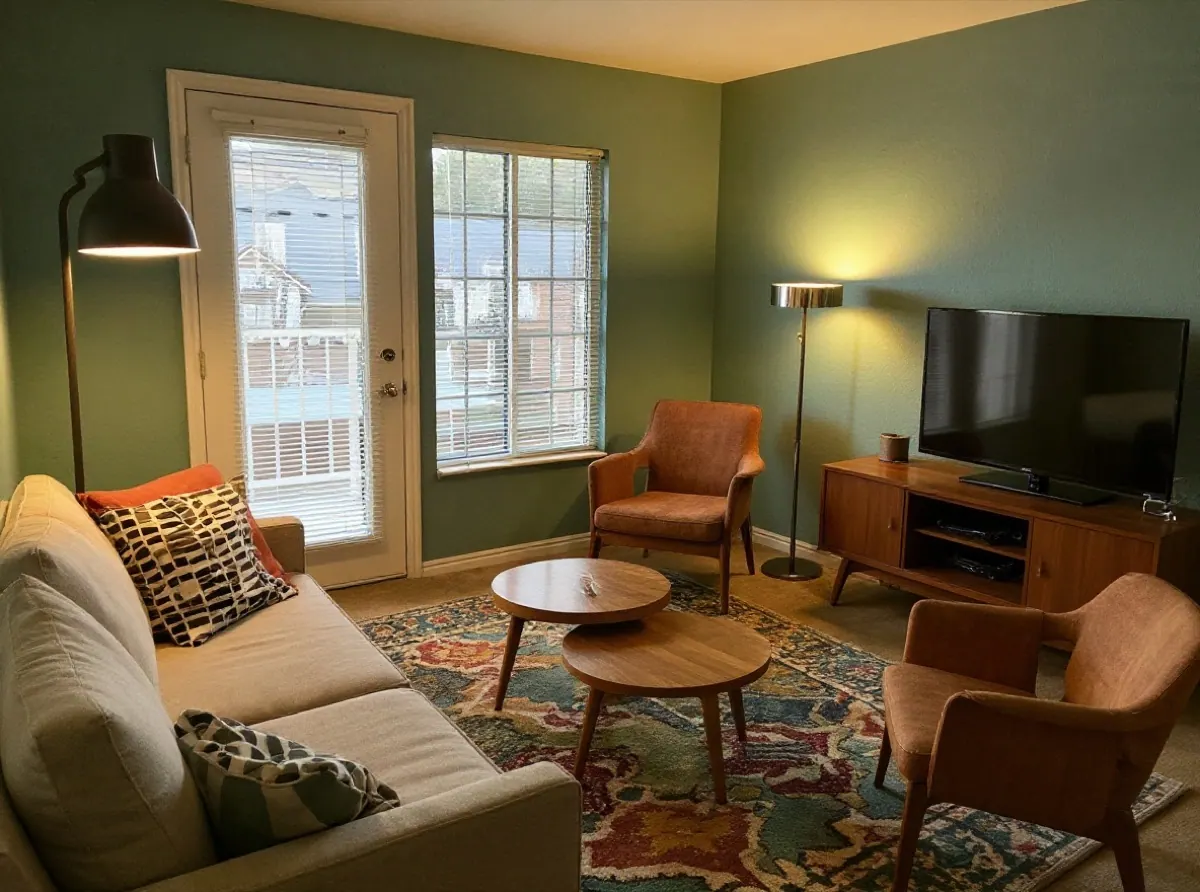
Most style guides show each style in a different, professionally styled room. That makes it hard to tell what is the style and what is simply a bigger window or a better photographer.
So we did the opposite. We took one ordinary living room photo and redesigned it in six styles with AI Room Design. Same room, same camera angle, same light. Only the style changes.
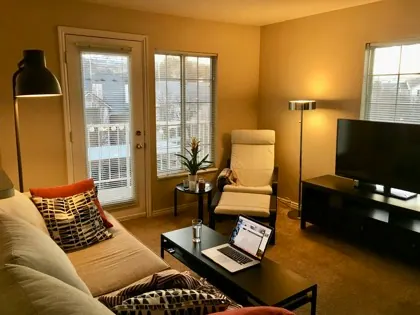 Original
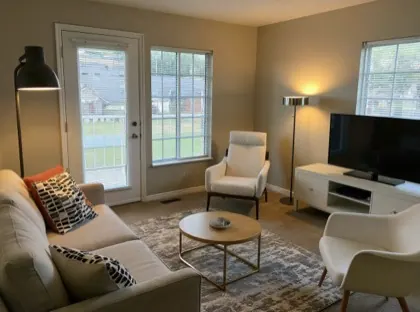 Modern
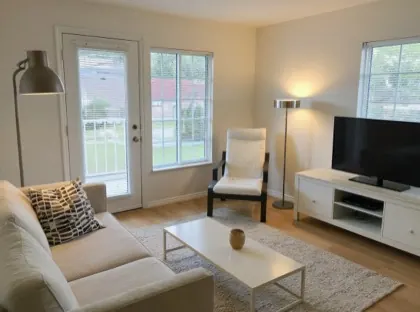 Minimalist
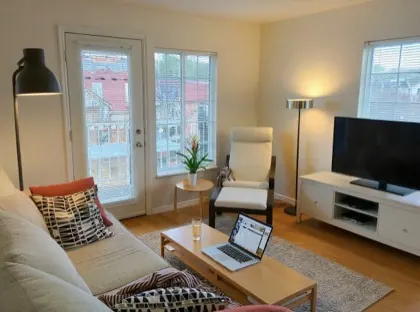 Scandinavian
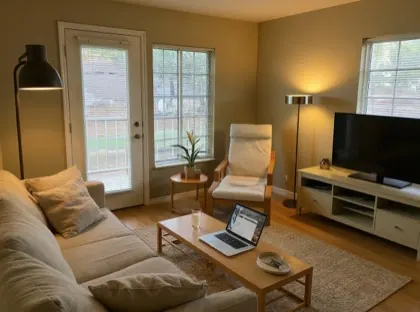 Japandi
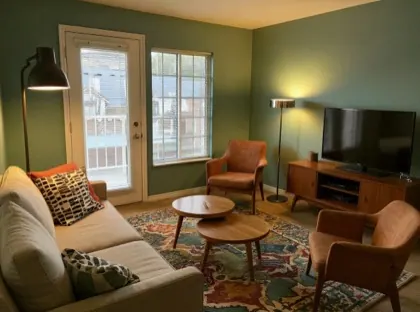 Mid-century
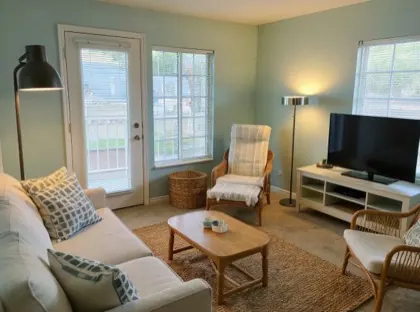 Coastal
Modern
Clean lines, neutral tones, low-profile furniture and a few metal accents. Modern is the safest choice if you are not sure: it works with most architecture and makes a room feel tidy without feeling empty.
Get the look: a straight-armed sofa in grey or oatmeal, a simple coffee table, one large rug, and lighting with a metal finish.
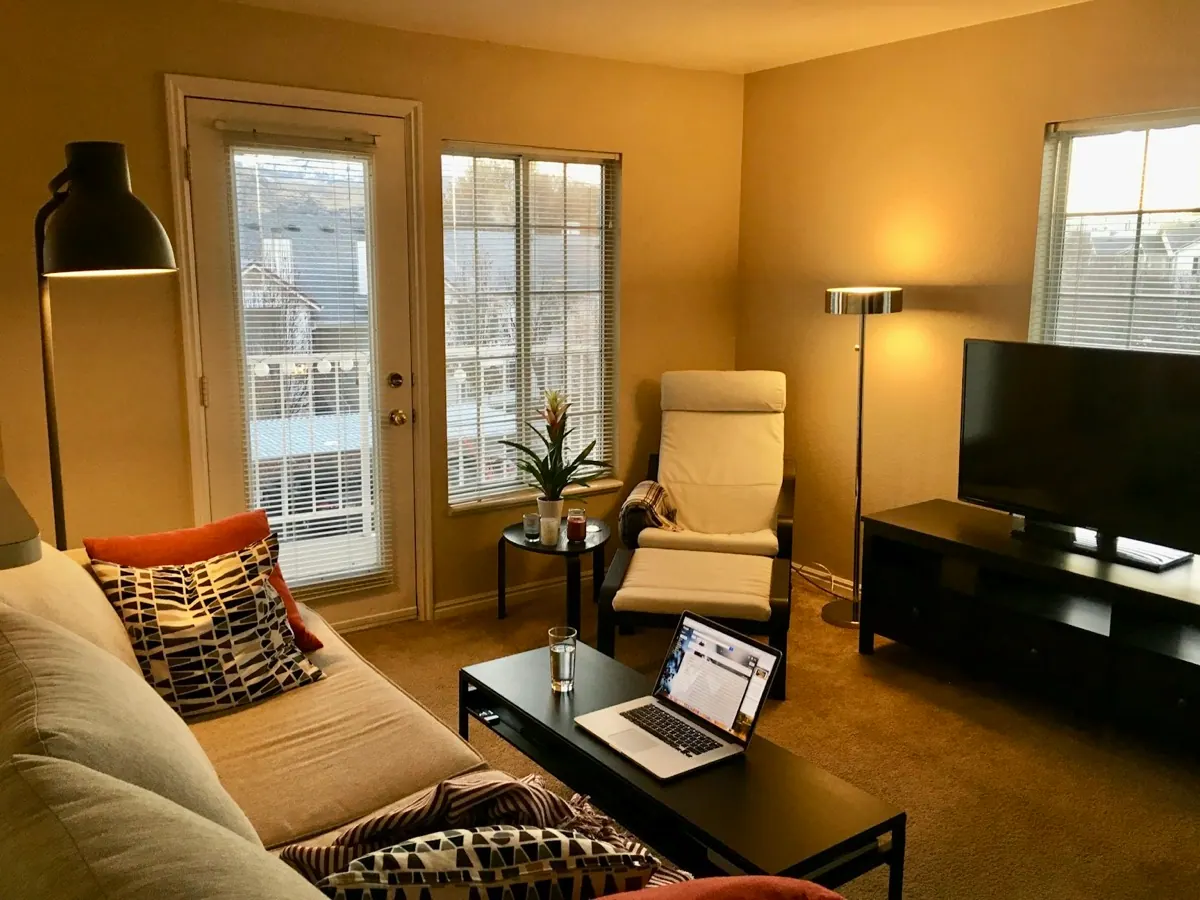
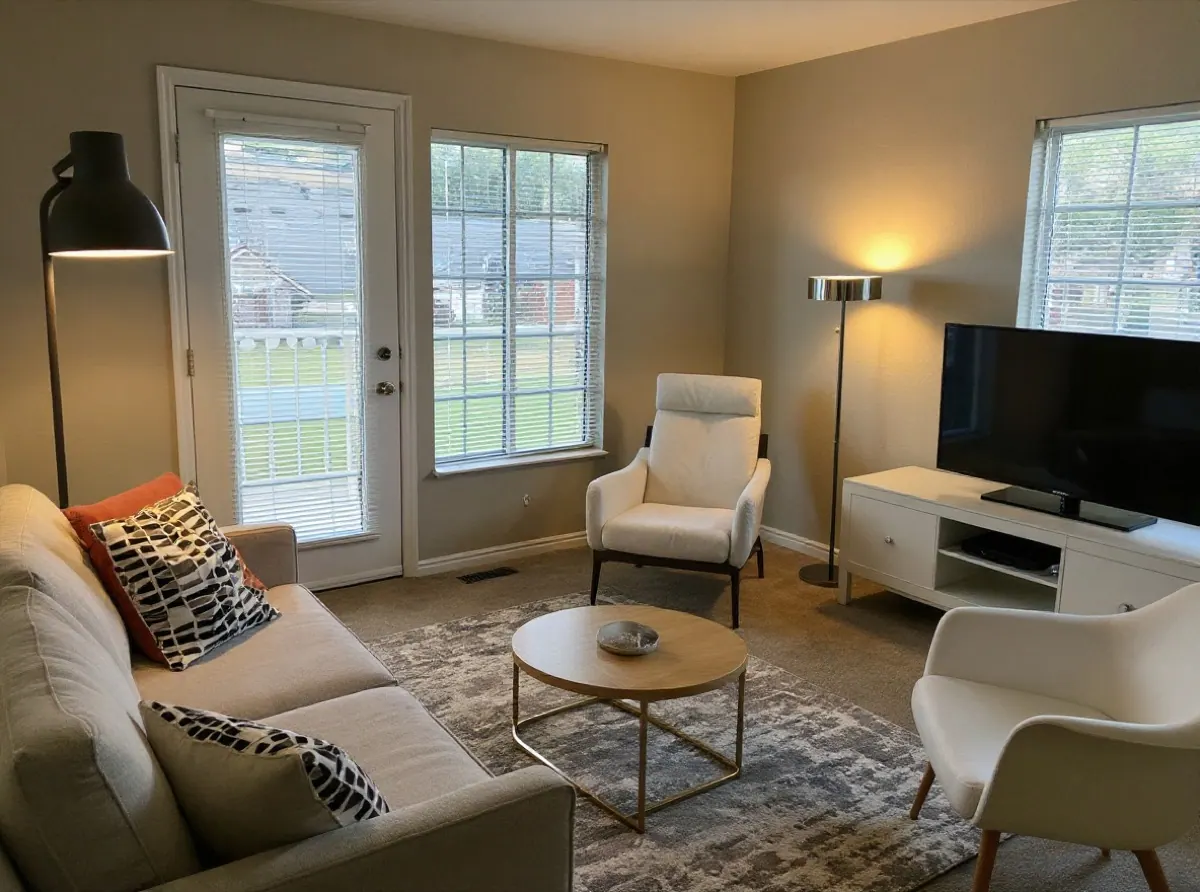 BEFOREMODERN
Minimalist
Fewer pieces, clear surfaces and a pale palette. Minimalism is less about a look and more about removing things, which is why it photographs so calmly. It suits small rooms, where every extra piece makes the space feel smaller.
Get the look: keep only what you use, choose storage that closes, and let one or two pieces carry the room.
Scandinavian
Light oak, white walls, soft textiles and simple forms. Scandinavian is warmer than minimalist: it allows throws, cushions and plants, and leans on natural light.
Get the look: light wood furniture, layered textiles in white and grey, and a plant or two.
Japandi
A blend of Japanese and Scandinavian design: low furniture in light wood, muted earthy colours, linen, ceramics and a paper pendant lamp. It is the calmest of the six and works especially well in bedrooms.
Get the look: low seating, a round wooden coffee table, linen upholstery and a single paper lamp. Read our Japandi guide for more.
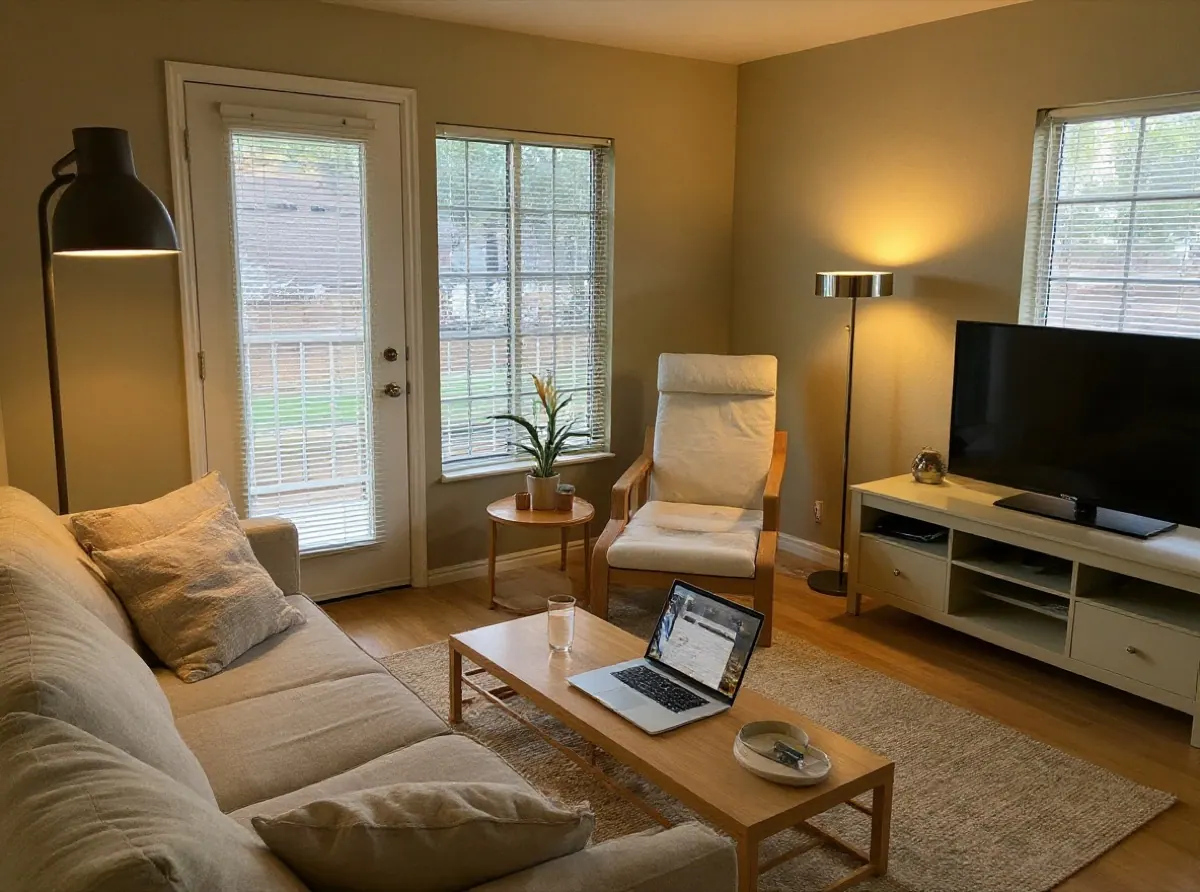 BEFOREJAPANDI
Mid-century modern
Walnut furniture, tapered legs, and confident accents in mustard, teal or rust. Mid-century is the most characterful style here: it gives a plain room personality without changing the room itself.
Get the look: one walnut piece, a sofa on slim legs, a globe or arc lamp and a patterned rug.
BEFOREMID-CENTURYCoastal
Airy whites, sandy beige, soft blues, rattan and natural linen. Coastal makes a room feel lighter and more relaxed, and it suits rooms with good daylight best.
Get the look: white or light blue walls, a rattan chair or lamp, linen slipcovers and a jute rug.
How to choose between them
- If you like it calm: minimalist or Japandi.
- If you want warmth without clutter: Scandinavian.
- If you want personality: mid-century modern.
- If the room gets lots of light: coastal.
- If you are not sure: modern, then try one bolder style next to it.
The quickest way to decide is to see two or three of these on your own room, side by side.
Why there is no industrial style here
We tested an industrial style too, and left it out. Industrial is defined by architecture as much as furniture: brick walls, exposed beams and dark ceilings. When we asked the AI for it, it kept adding exactly those, and in one test it replaced a bay window. Since the point of redesigning your own room is that your room stays your room, we chose styles that change the furnishings rather than the building. We wrote about this in what we learned testing AI on real rooms.
Read more
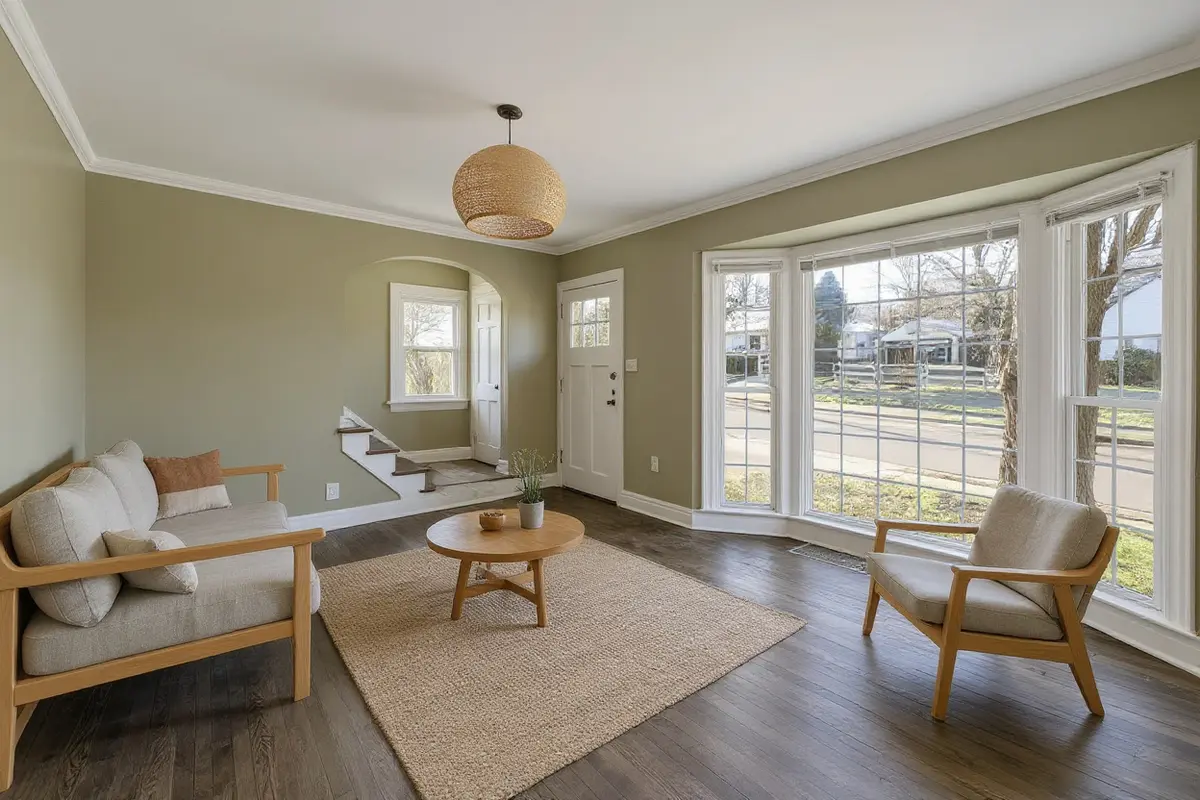
Japandi Interior Design: Ideas, Key Elements and Mistakes to Avoid
What Japandi interior design is, the elements that define it, common mistakes, and real before/after examples of Japandi on ordinary rooms.
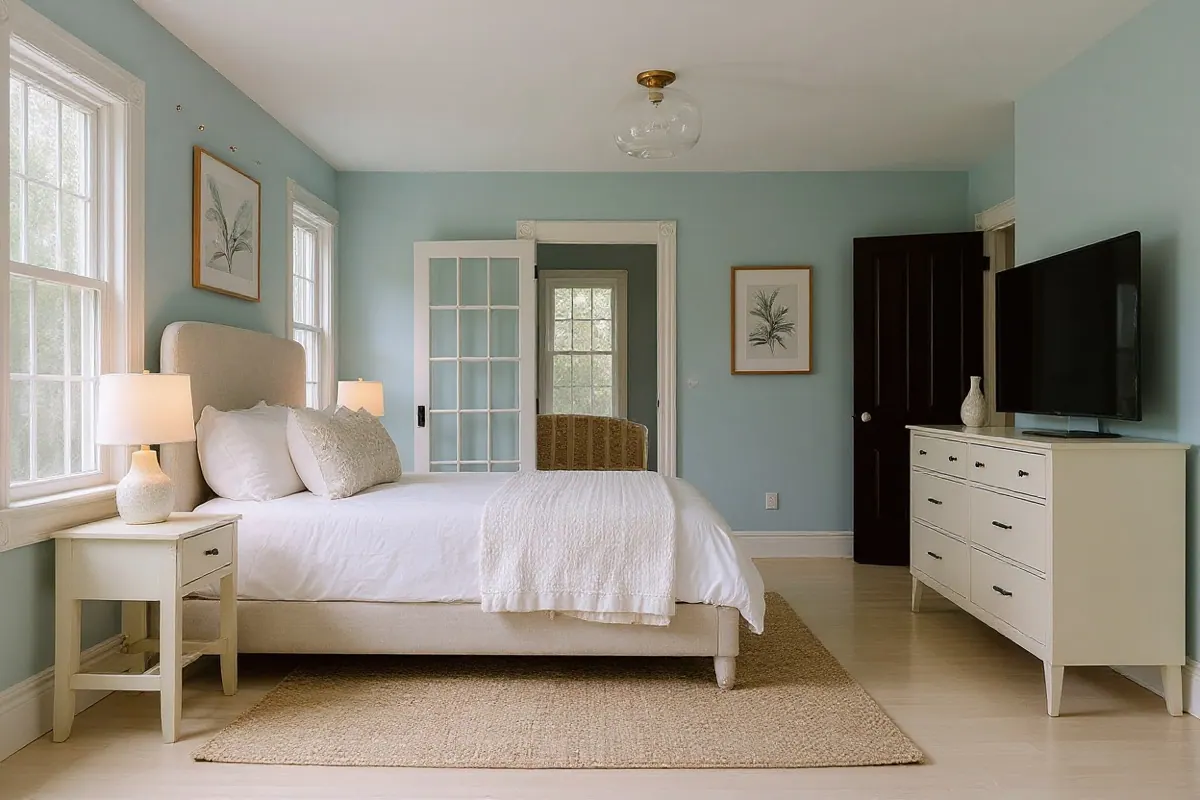
AI Room Design Tools Compared: What to Check Before You Pay
Interior AI, Decoratly, REimagineHome, Planner 5D, RoomGPT and AI Room Design compared on what matters: free trial, real price, subscription or not, and how well they keep your room.
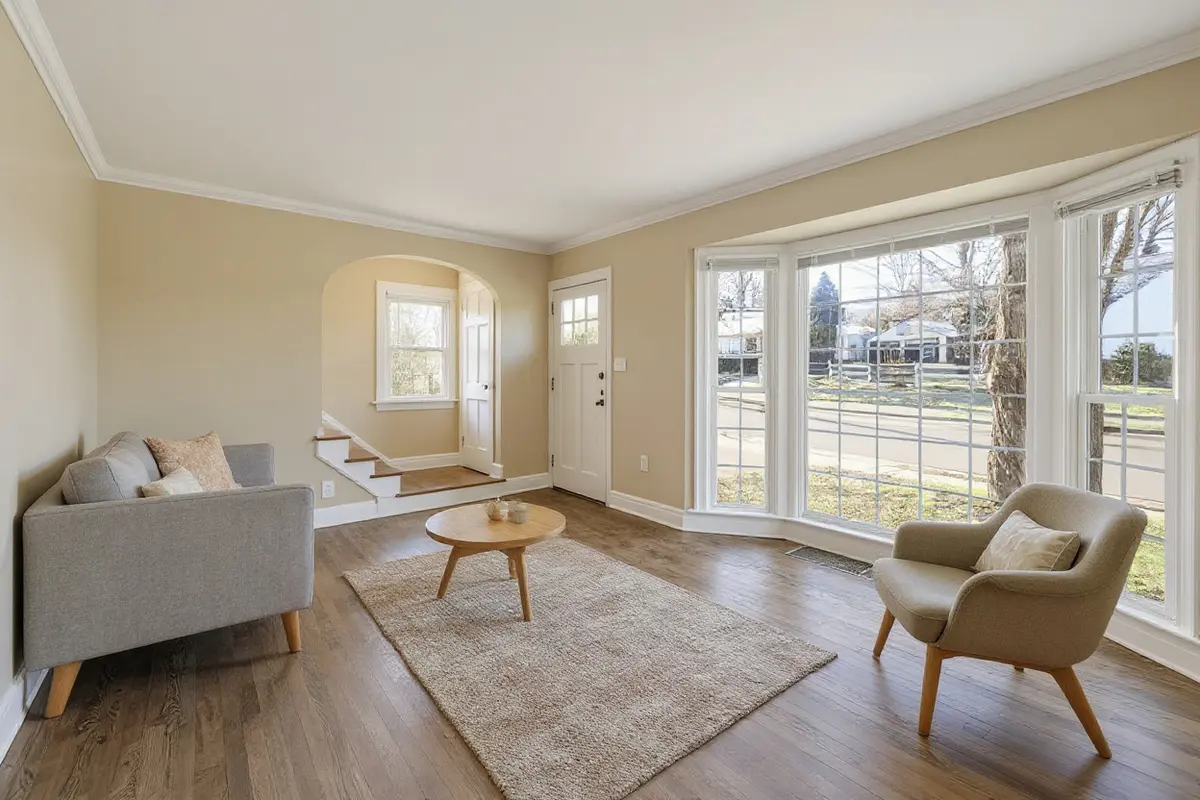
AI Virtual Staging: How to Furnish an Empty Room From a Photo
A practical guide to AI virtual staging for empty rooms: what to photograph, which style to choose for buyers or renters, and how to label staged photos honestly.